Section 03
Detectors and Log Video Amplifiers
Diode detectors, log video amplifiers and DLVAs: the transfer curve, logging accuracy, tangential sensitivity and video bandwidth, defined and measured.
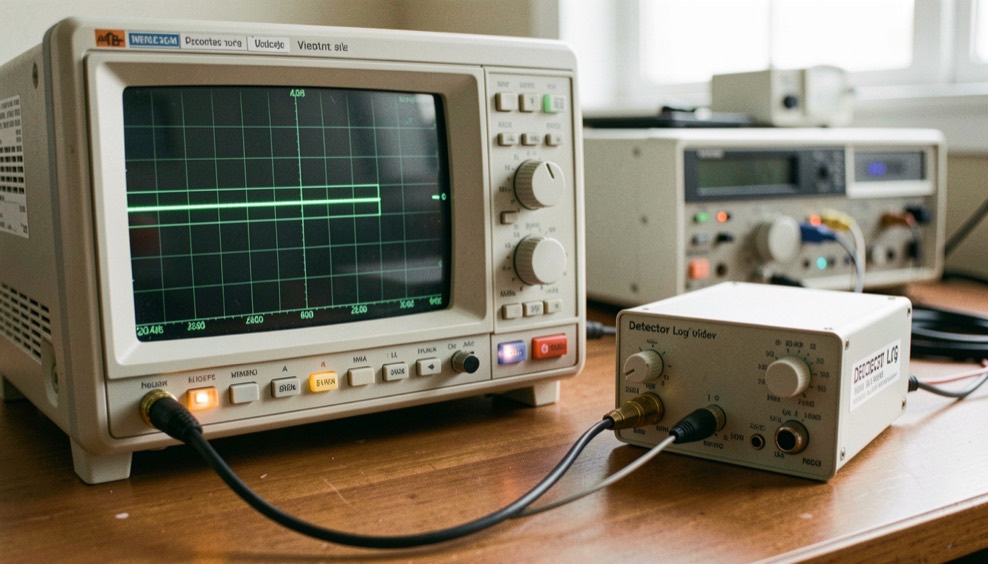
A detector turns radio frequency power into a video voltage. A log video amplifier compresses a wide input range into a manageable output span by making that voltage proportional to the logarithm of the input power. A detector log video amplifier, usually written DLVA, packages the two so that the whole transfer is specified end to end. The useful quantity is therefore never a single number: it is a curve, and the specification describes how far the real part is allowed to depart from the ideal straight line on a logarithmic scale.
The pages here follow that order. What a detector log video amplifier is is the primer. Reading a transfer curve explains logging error, slope and intercept. Tangential sensitivity and video bandwidth covers the two figures that decide whether a short pulse is seen at all.
Sensitivity and speed are traded against each other
Widening the video bandwidth lets a receiver reproduce a shorter pulse and admits more noise while doing it, which moves the sensitivity figure in the other direction. That trade is the reason two parts with the same stated dynamic range behave nothing alike on a real pulse, and it is why both figures have to be read together.
Definitions and units are collected in the datasheet parameter index.
What this section will not print
No sensitivity figure, no dynamic range and no slope attributed to a real device. Those belong to a product and to the conditions its maker measured it under, and reproducing them here would be neither useful nor honest. What is printed instead is how the curve is defined, how the departure from it is quantified, and which two figures have to be read as a pair.
The definitions are collected once in the parameter index so that a page can argue rather than repeat.
One habit is worth building early. Whenever a detector specification quotes a dynamic range, look immediately for the error limit that defines it, and if the limit is not on the page then the range has no meaning that can be checked. That single reflex removes most of the confusion this section exists to describe, and it costs nothing but the discipline of reading two rows instead of one.
The other doors of the publication: Switches, Attenuators, Assemblies and Measurement. Every one of them points back to the datasheet parameter index.
In this section
6 pages, newest first.
-
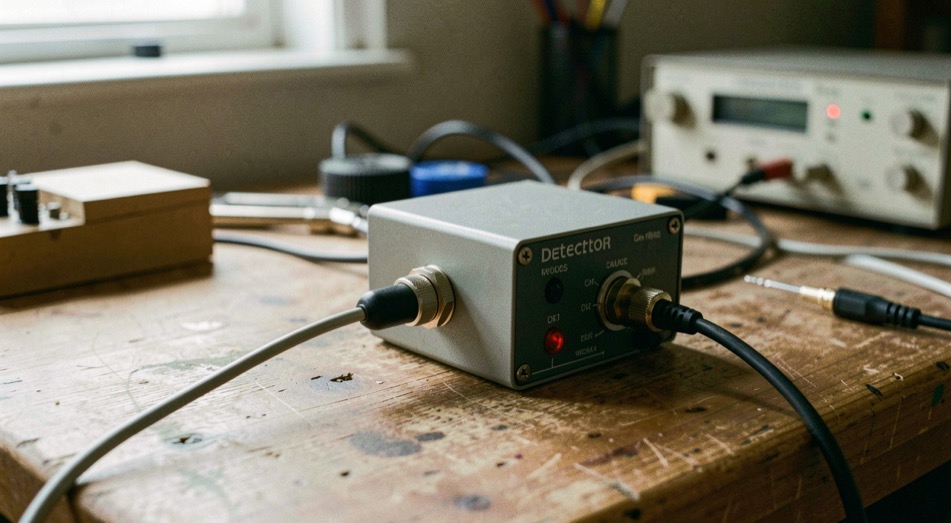
What a Detector Log Video Amplifier Is
Power in, voltage out, compressed logarithmically. The specification that matters is the shape of the line, not a point on it.
September 6, 2026
-
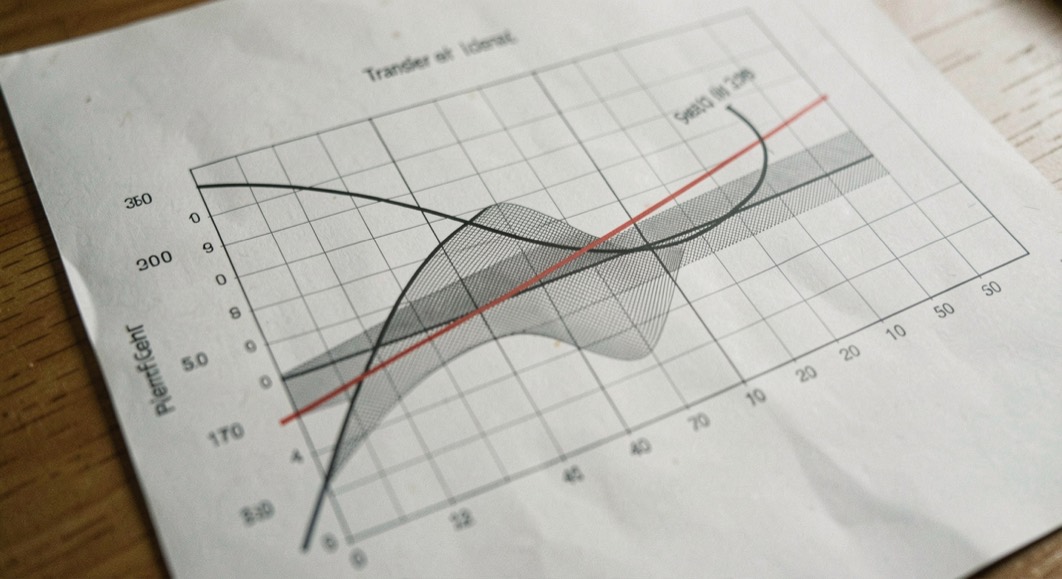
Reading a Log Detector Transfer Curve
Dynamic range without a logging error limit is not a specification. This is how the two are read together.
September 6, 2026
-
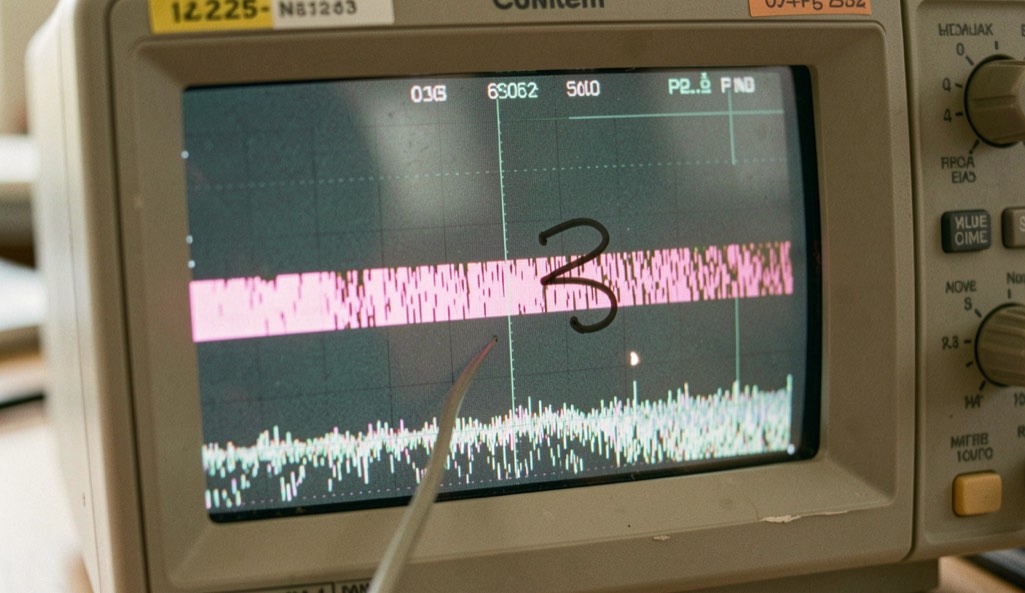
Tangential Sensitivity and Video Bandwidth
These two figures are traded against each other. Read either one alone and two parts with the same range will surprise you.
September 6, 2026
-
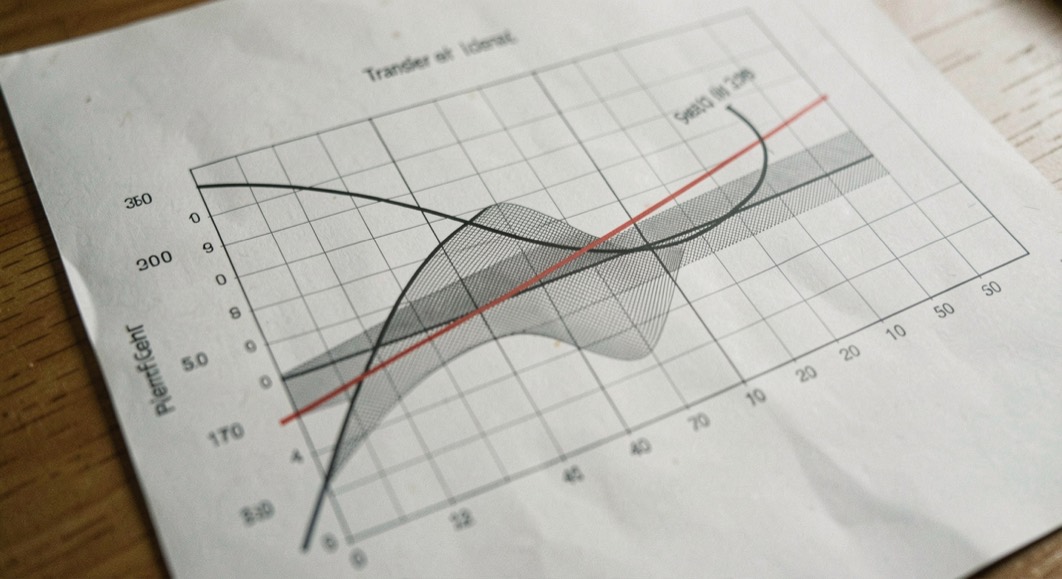
Reading a Detector Plot When the Color Is Gone
A curve that lives only in color is a curve that does not survive the photocopy.
September 6, 2026
-
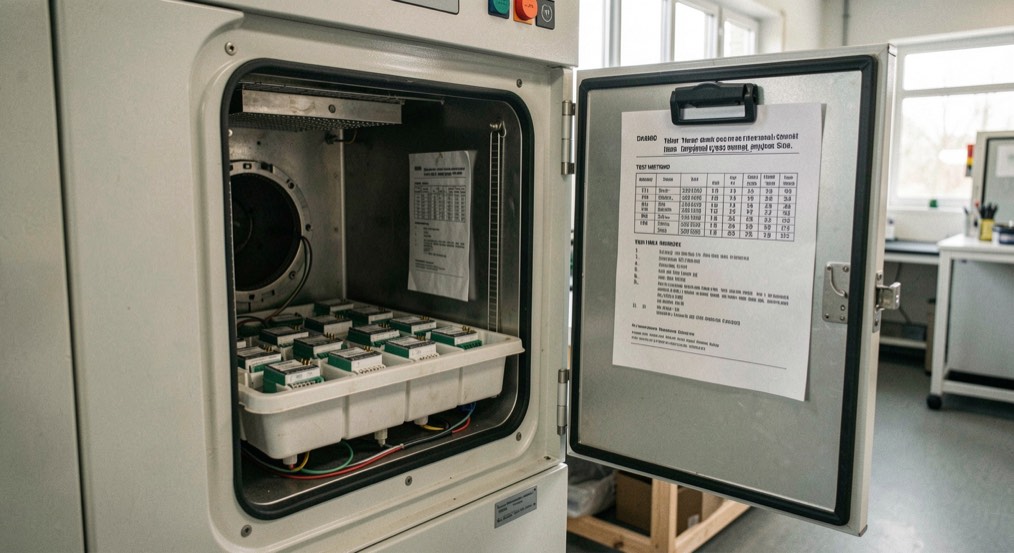
Lot Sampling Versus Defect Counting
Two measurement scales govern acceptance: defects per unit area and defects per lot, and mixing them distorts both.
September 6, 2026
-
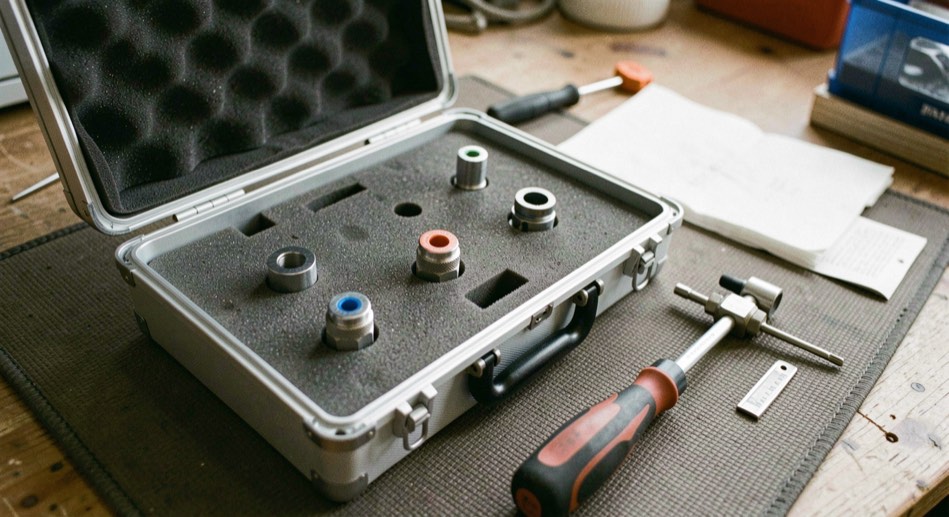
Accuracy Before Speed: A Measurement Session
A bench session and a typing drill share one order: configure the station, warm up, hold accuracy, then read speed.
September 6, 2026