Section 01
Solid-State Microwave Switches
PIN diode switches read parameter by parameter: reflective and absorptive topologies, isolation, insertion loss, switching time and the driver behind them.
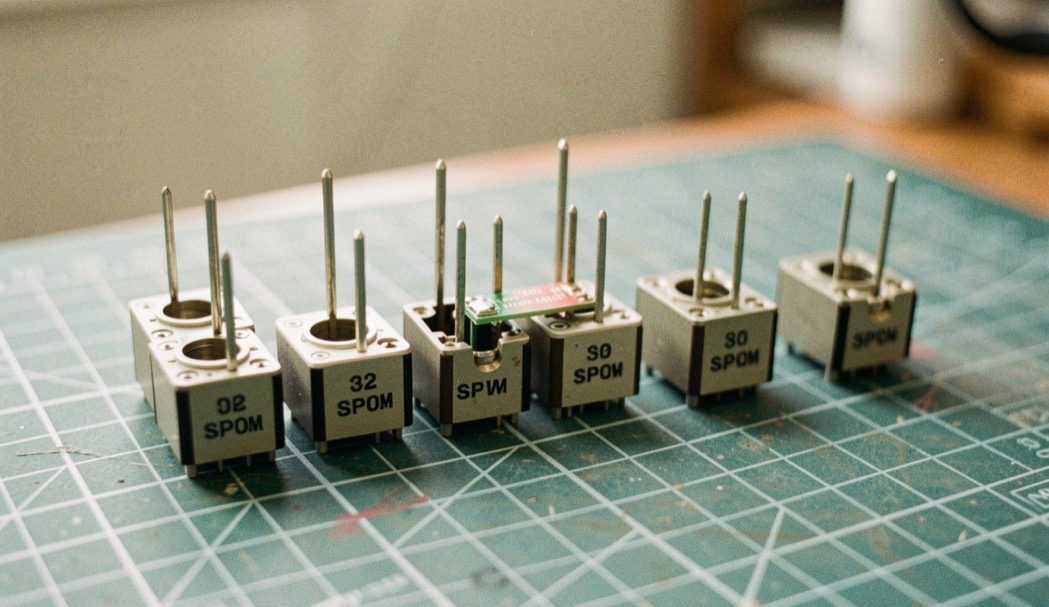
A solid-state microwave switch has no moving part. It routes power between ports by driving semiconductor junctions between a low impedance state and a high impedance state, and every number printed on its datasheet follows from that one mechanism. Insertion loss is what the conducting path costs. Isolation is how well the blocking path refuses. Switching time is how fast the junction can be moved between the two, and it is set as much by the driver as by the diode.
This section separates the three questions that a switch datasheet answers at once. What the term solid-state switch covers is the primer: the families, the port counts and the vocabulary. Absorptive against reflective takes the single choice that changes every other figure on the page. Switching speed and the driver explains why two parts with the same diode are specified an order of magnitude apart.
The parameter you read is never the parameter alone
Isolation, insertion loss and return loss are not independent numbers that a designer can improve one at a time. They are three views of the same network, and a datasheet that shows an excellent figure in one column has usually paid for it in another. Reading the columns together, rather than sorting a table by the one that matters most today, is the habit this section is written to build.
The definitions themselves, with their units and the way each is measured, are collected once in the datasheet parameter index rather than repeated on every page.
What this section will not print
No part number, no performance figure attributed to anybody's product, and no comparison of makers. A switch specification is written against a band, a temperature and a control condition, and a figure lifted out of that context and set beside a figure from another document is not a comparison at all. What is printed here instead is the mechanism, the definition and the condition, so that a reader can go back to the specification in front of them and read it properly.
Anyone who arrived here looking for a manufacturer's catalogue is in the wrong place, and the notice at the top of every page says where the right one is.
The other doors of the publication: Attenuators, Detectors and DLVAs, Assemblies and Measurement. Every one of them points back to the datasheet parameter index.
In this section
5 pages, newest first.
-
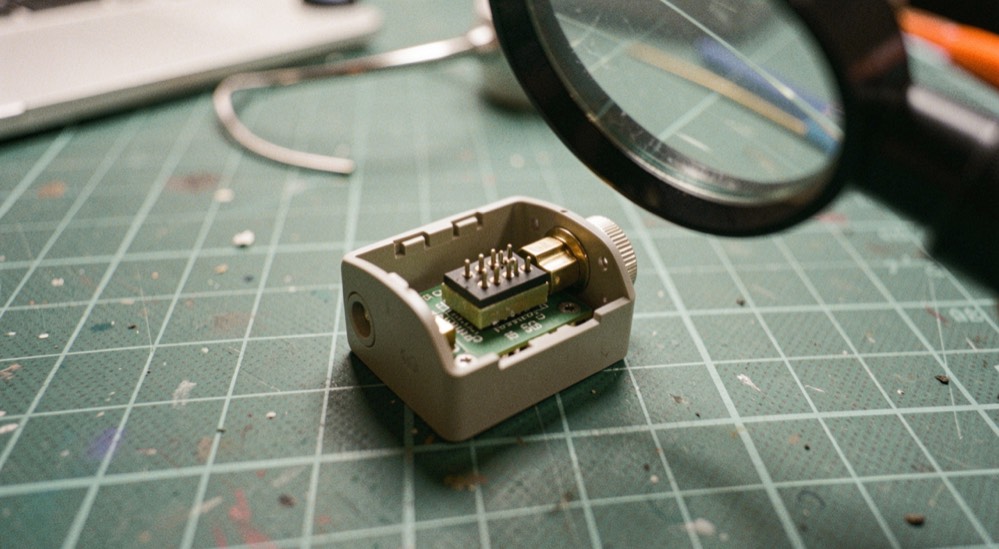
What a Solid-State Microwave Switch Is
No moving part, one mechanism, and three numbers that come out of it. This is the primer the rest of the switch section is built on.
September 6, 2026
-
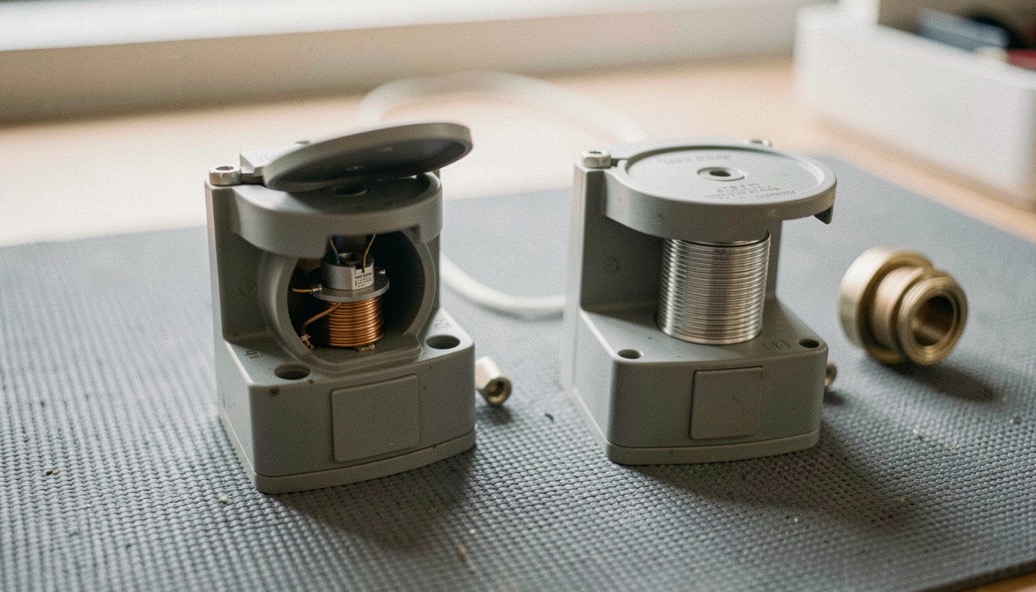
Absorptive and Reflective Switches
The off port either sends the power back or turns it into heat. That single difference decides what the rest of the chain sees.
September 6, 2026
-
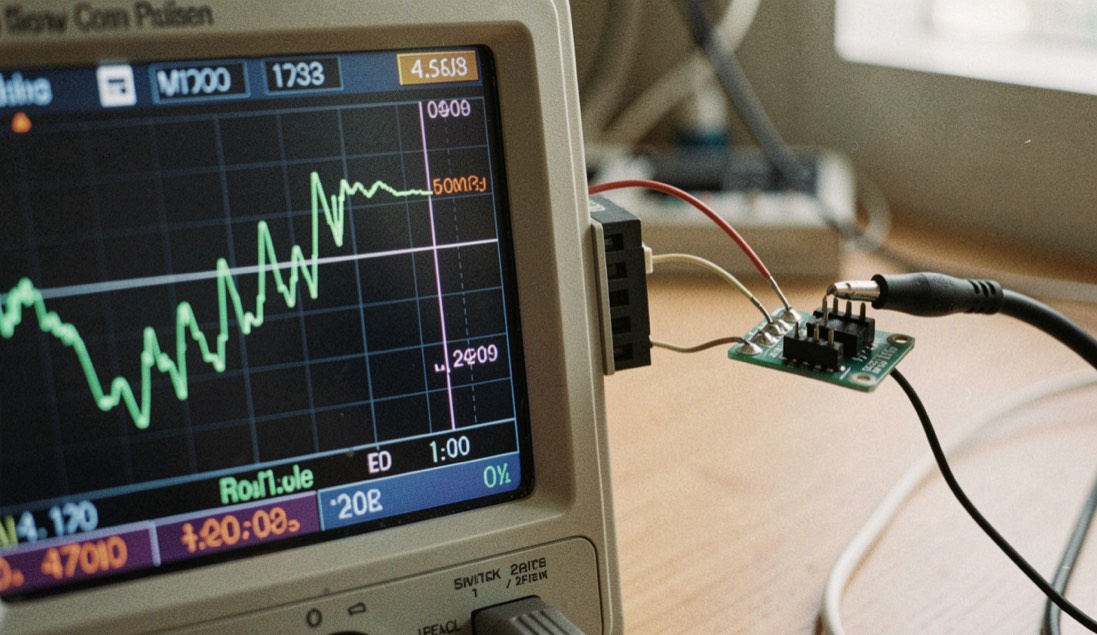
Switching Speed and the Driver Behind It
Two parts built on the same diode can be specified very differently in speed. The difference is almost never the diode.
September 6, 2026
-
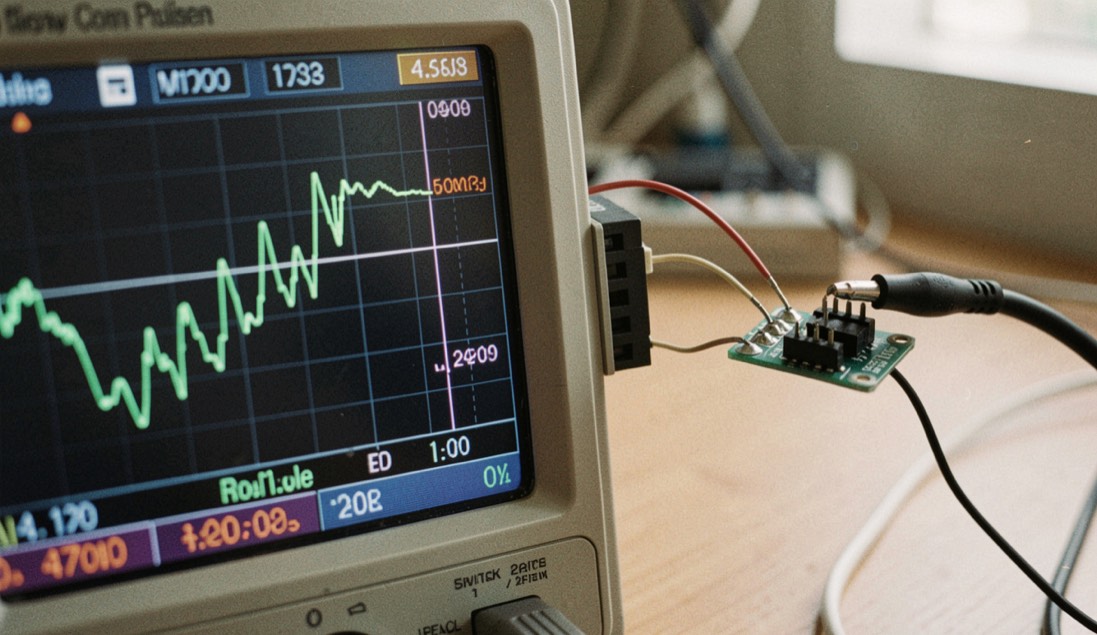
Where a Chain Loses Time: Switch and Video
Two timing budgets, one arbitration: what a switch and a live video chain each spend before the image exists.
September 6, 2026
-
What a Declared Cause Field Can and Cannot Say
How a declared cause field records an administrative finding rather than a demonstrated physical mechanism.
September 6, 2026